Sand Dune Restoration

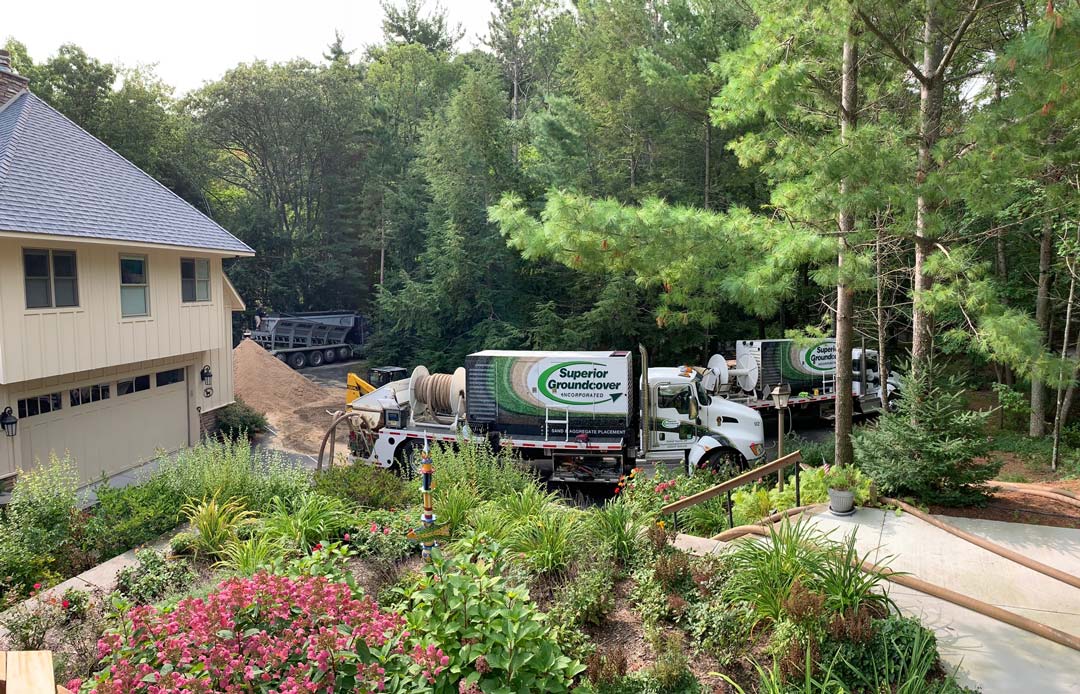
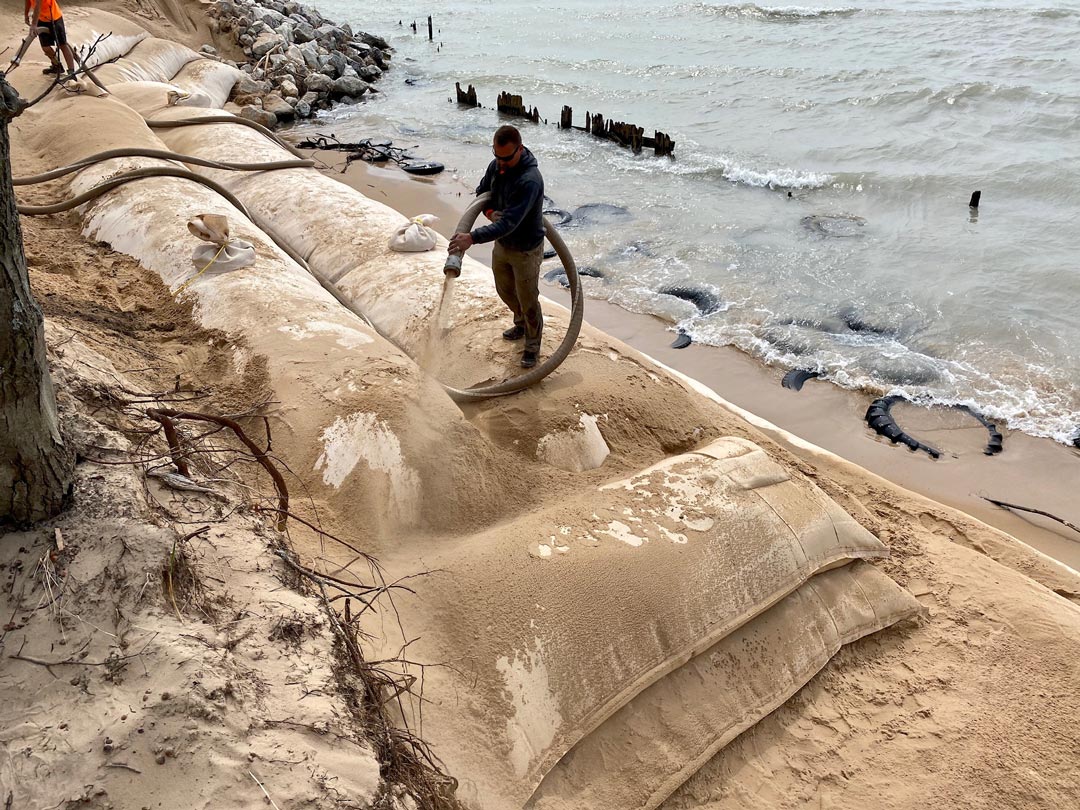
Protect your shoreline with a natural barrier that absorbs wind and wave energy. We restore dunes by clearing debris, planning the right approach, and placing sand with blower trucks to rebuild and stabilize eroded areas.

Shoreline Stability
Habitat Support
Efficient Install

Losing Dunes Means Losing Land

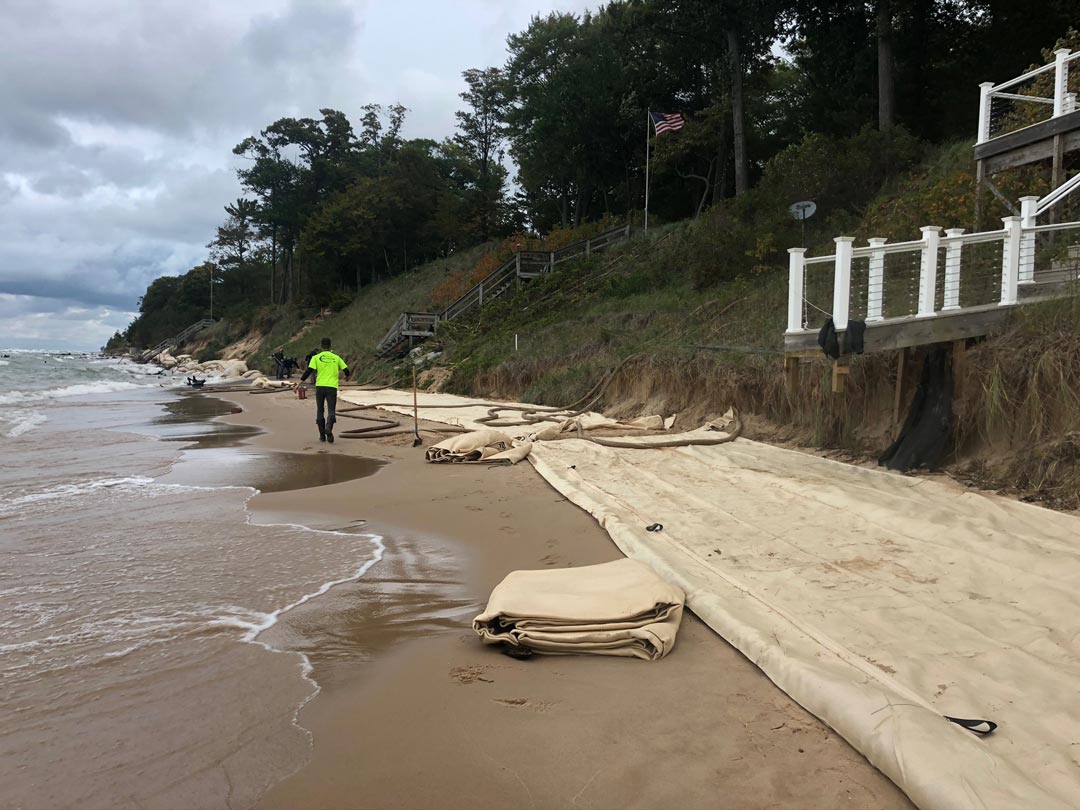
Unchecked erosion strips sand, lowers dune height, and exposes property and public spaces to waves and storms. Seawalls and hard structures can be costly and may shift the problem downshore. Doing nothing invites washouts, exposed roots, and unsafe drop offs that become more expensive to fix after each storm cycle. A restoration plan that rebuilds sand volume and reestablishes vegetation protects access, views, and value while keeping the shoreline usable.

Why More Sites Choose Dune Restoration?

Stability

Restored dunes act as a buffer that reduces erosion from wind and waves when storms pass through.

Sustainability

Rebuilding dunes and habitat supports native plants and wildlife that define coastal areas.

Efficiency

Bulk sand delivery and blower truck placement speed coverage and reduce labor hours.

What exactly is dune restoration?

Dune restoration is a soft stabilization approach that uses sand placement and native vegetation to rebuild volume and hold material in place. It can include installing anchor points or fencing to slow wind, reduce scouring, and help new plants take root so dunes continue to function as a natural barrier.

We understand the urgency of protecting shorelines

We work with lakefront homeowners, coastal businesses, park departments, and conservation groups who need results before the next storm season.

Our team evaluates the site, recommends a restoration method that fits conditions, and applies sand with blower trucks for even, controlled placement. When vegetation is part of the plan, we coordinate species suited to the environment so the root system helps hold sand in place.
DIY dune work vs partnering with Superior

Well intentioned work can cause harm if sand is placed incorrectly or vegetation is disturbed. Missteps can damage habitat and make future erosion worse. Professional restoration brings the right equipment, placement techniques, and sequence so the rebuilt dune lasts and protects the shoreline effectively.
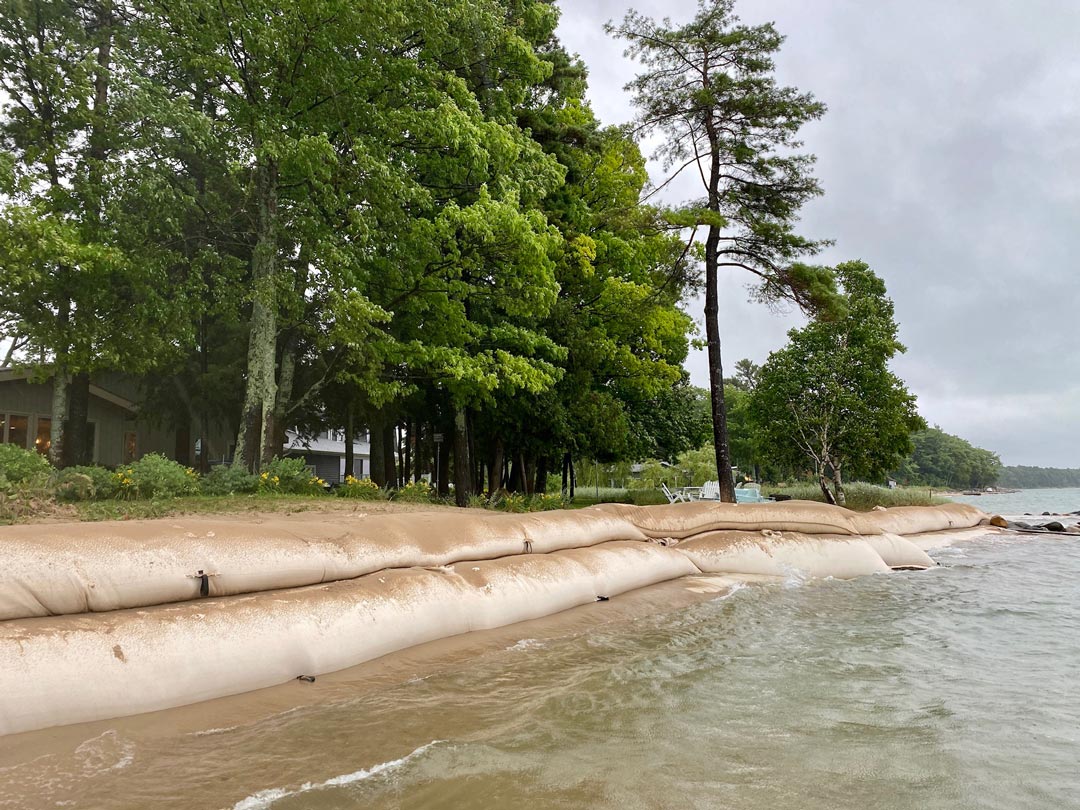
Dune restoration supports more than private beaches

Coastal commercial frontage that needs a protective buffer
Residential lakeshore lots that have lost elevation or width
Public beaches and park access points that require safer transitions
Conservation areas that must rebuild habitat for plants and wildlife

What are the steps to restore a dune

1. Remove debris
Clear the shoreline and dune face so new vegetation and placed sand are not undermined by obstacles.
2. Assess conditions and plan
Evaluate erosion patterns, prevailing winds, and access. Choose the right mix of sand placement and vegetation for the site.
3. Place sand with blower trucks
Apply sand evenly to rebuild shape and volume. Blower equipment improves control and efficiency compared to manual methods.
4. Stabilize with plants and anchors
Add native vegetation and use anchors or fencing where appropriate to slow wind and help roots bind the surface.
5. Aftercare and monitoring
Follow watering or protection guidelines during establishment and plan periodic touch ups where storms reshape the dune.

A simple 3 step path to a stronger shoreline

Request an Estimate

Share location, access, photos, and goals. We review the site and identify the right approach for conditions and season.

Get a restoration plan

We confirm quantities, placement areas, vegetation needs, schedule, and pricing so you know exactly what to expect.

Rebuild and protect

We place sand with blower trucks, stabilize as planned, and provide simple guidance for maintenance and future touch ups.

What Our Clients Saying about our Service?

Dune restoration in Michigan

We restore dunes for residential and commercial properties across Michigan, including Grand Haven, Holland, and Muskegon, with projects statewide.
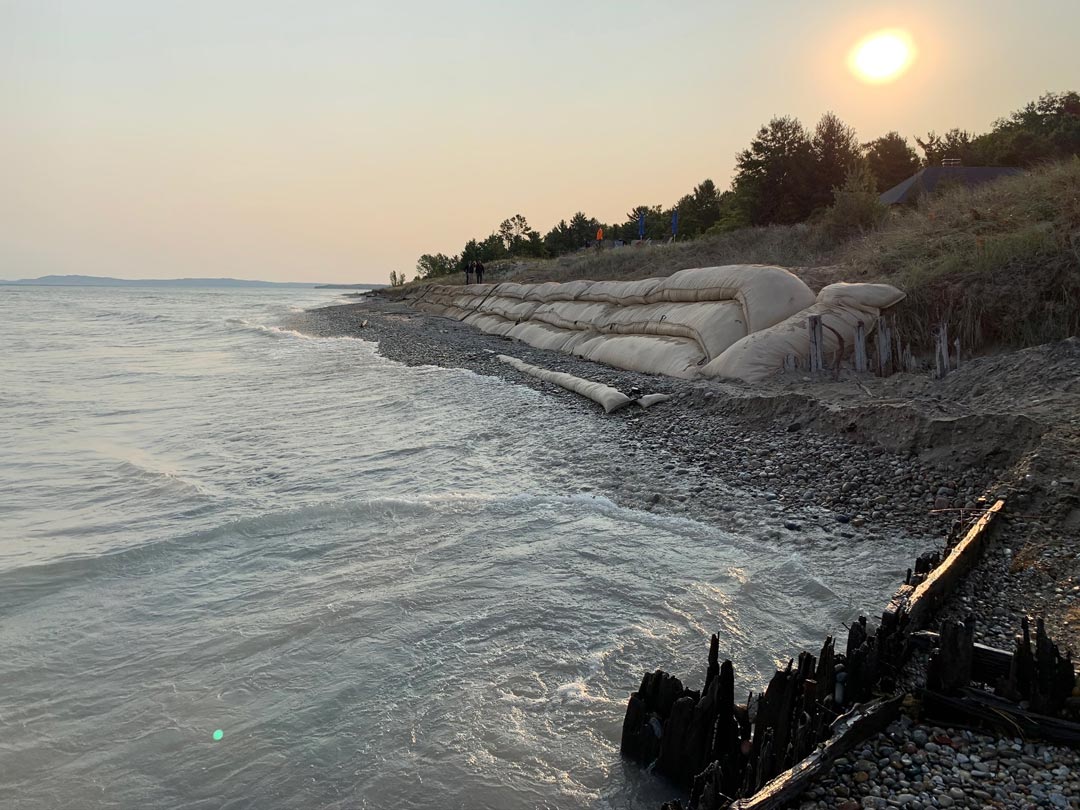
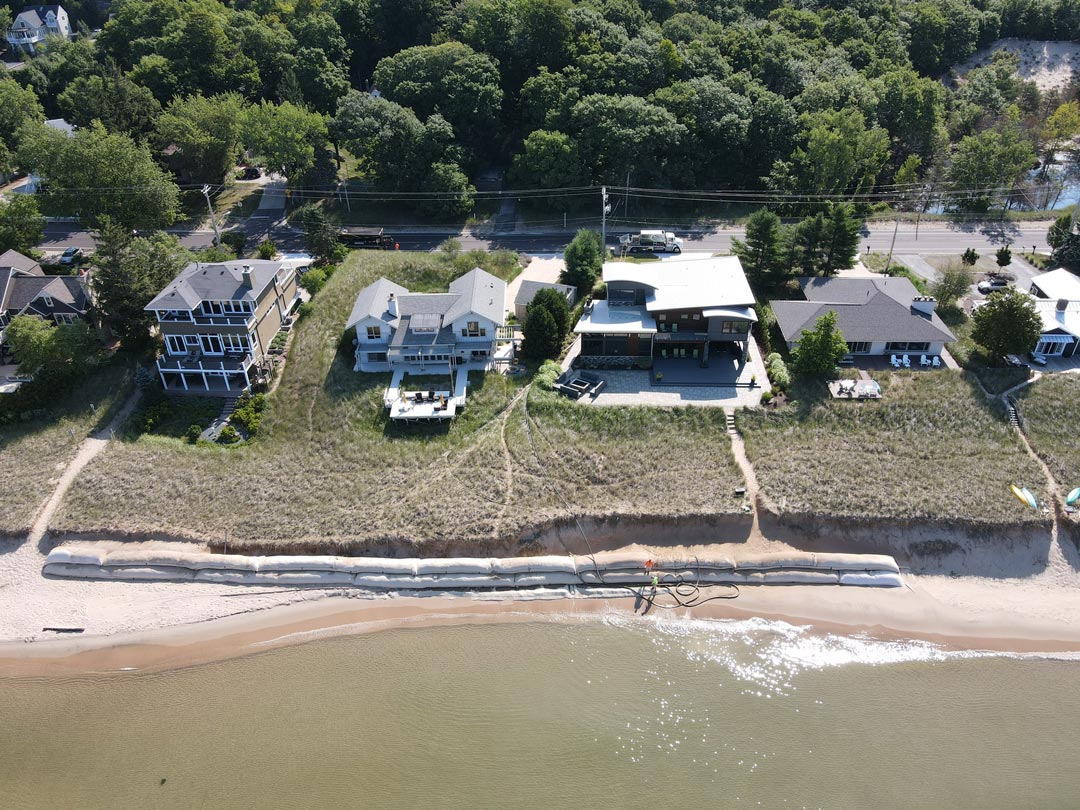
More About Sand Dune Restoration

Dune Restoration FAQs

Dunes absorb wind and wave energy and act as a natural barrier that protects nearby property and habitat.

The choice depends on site conditions and severity. Many projects benefit from soft approaches that rebuild sand and vegetation. We help determine the best fit for each location.

Dunes are always shifting. Restoration should occur when instability appears or after significant storms. Timing varies by site and exposure.

Dune size, degree of erosion, access, and location influence price and timeline. Larger or more damaged sites require more material and time.

It is not recommended. Improper work can harm ecosystems and reduce dune stability. Professional crews help ensure the system performs as intended.

Rebuild your dune. Restore your shoreline.

Copyright ©2026  Superior Groundcover, LLC | All Rights Reserved
Site by Guide MKTG