Dune Grass for Erosion Control

Stabilize dunes the natural way. We design and install dune grass plantings that trap windblown sand, rebuild dune shape, and protect shorelines with minimal disturbance.

Wind Hold
Low Maintenance
Habitat Friendly

Bare Dunes Lose Sand, Access, and Value

Unchecked wind strips sand and flattens dunes. That exposes homes and public spaces to storms, creates drop-offs, and degrades habitat. Piling rock or relying on ad-hoc barriers may shift the problem or spoil the landscape without rebuilding the dune itself. You need a living system that captures sand, rebuilds elevation over time, and fits sensitive coastal environments.

Why More Shorelines Choose Vegetation-First Dune Protection?

Proven stabilization

Grass slows wind at the surface so sand drops and accumulates where you need it.

Cost-smart

Plants and clean placement are often more economical than hard structures for many sites.

Sustainable

Root systems knit the dune face and expand coverage with limited maintenance once established.

What exactly is dune grass erosion control?

Dune grass planting is a soft-stabilization method that uses native beach grass to trap windblown sand, rebuild dune volume, and hold the surface with roots. On the Great Lakes, American beach grass is typically used, planted at appropriate depth and spacing for rapid establishment.

We know dunes need protection and a natural look

We work with homeowners, HOAs, park agencies, and conservation groups on tight seasonal windows.

Our team reviews exposure, access, and target dune shape, then pairs vegetation with sand placement where needed. Installations are planned to protect sensitive areas while giving you a stronger, healthier dune that blends with the landscape.
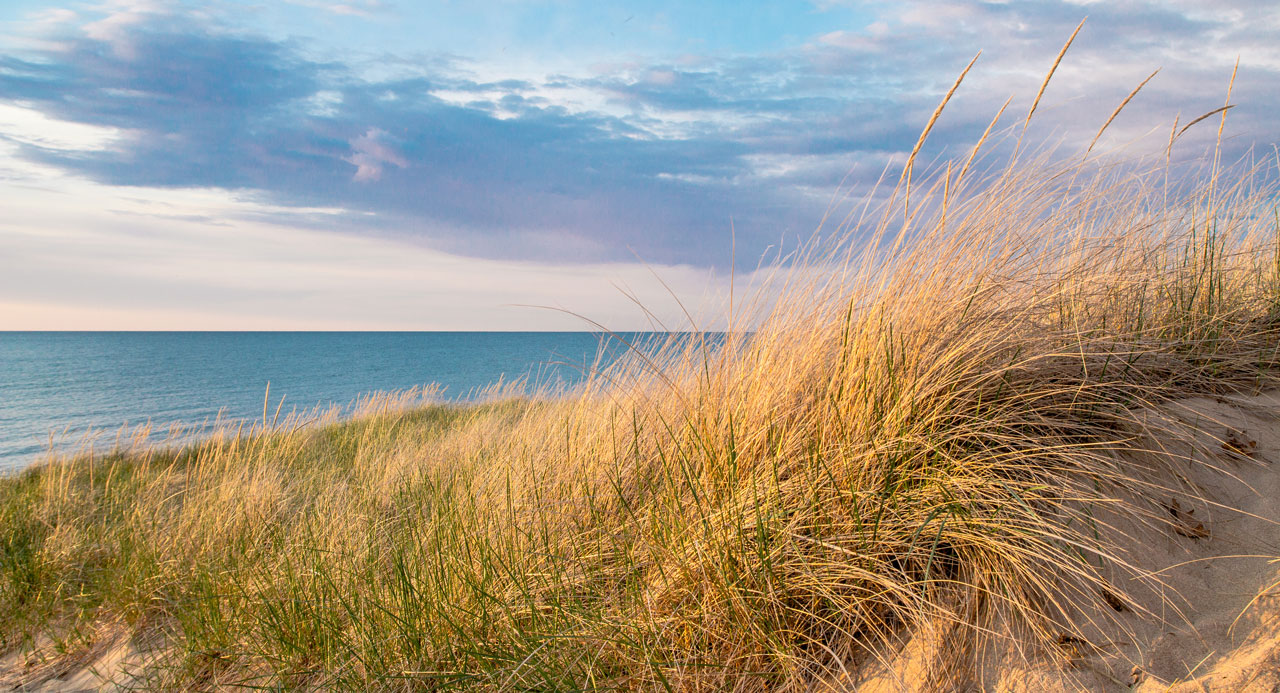
DIY planting vs partnering with Superior

Beach grass roots are brittle and require precise depth and firm backfill. DIY attempts often use shallow holes, poor spacing, or the wrong sand, which leads to uprooting and wasted effort. Our crews bring the right plants, sand, and techniques so the stand takes quickly and starts capturing sand right away.
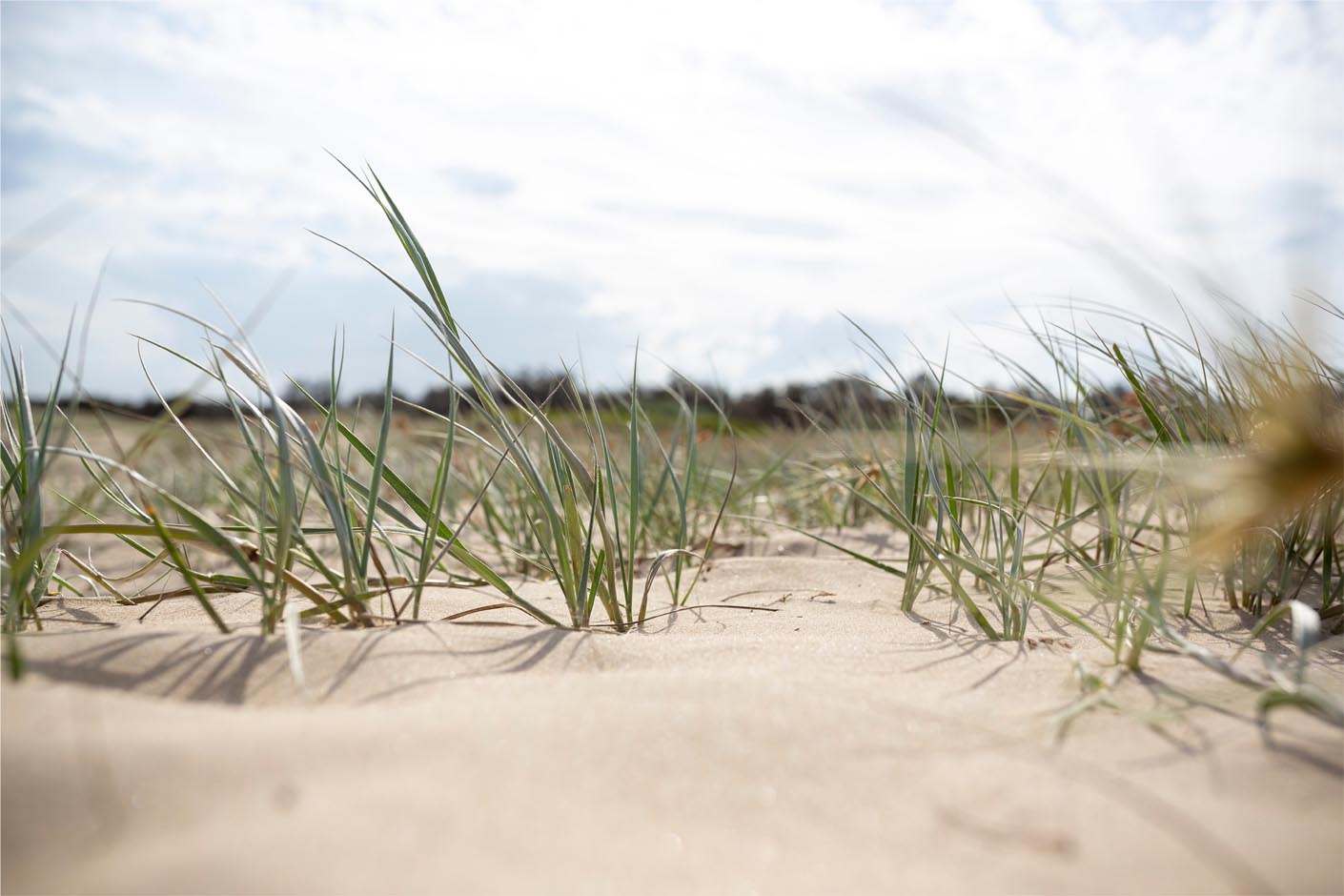
"Superior plants dune grass beyond private beaches"

Residential and HOA dunes that need rebuilding and protection
Municipal beaches and park access points that require safer transitions
Conservation and habitat projects on inland and lakeshore dunes
Nourishment or tube projects that need vegetation to lock sand in place

What are the steps to plant dune grass?

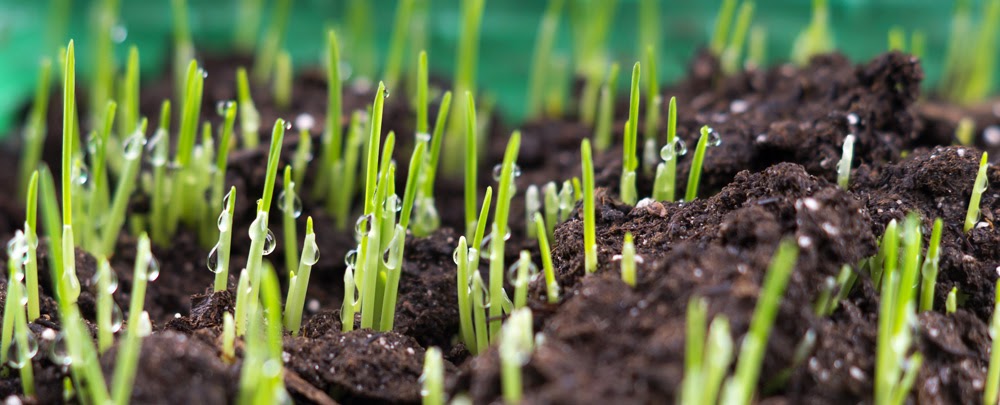
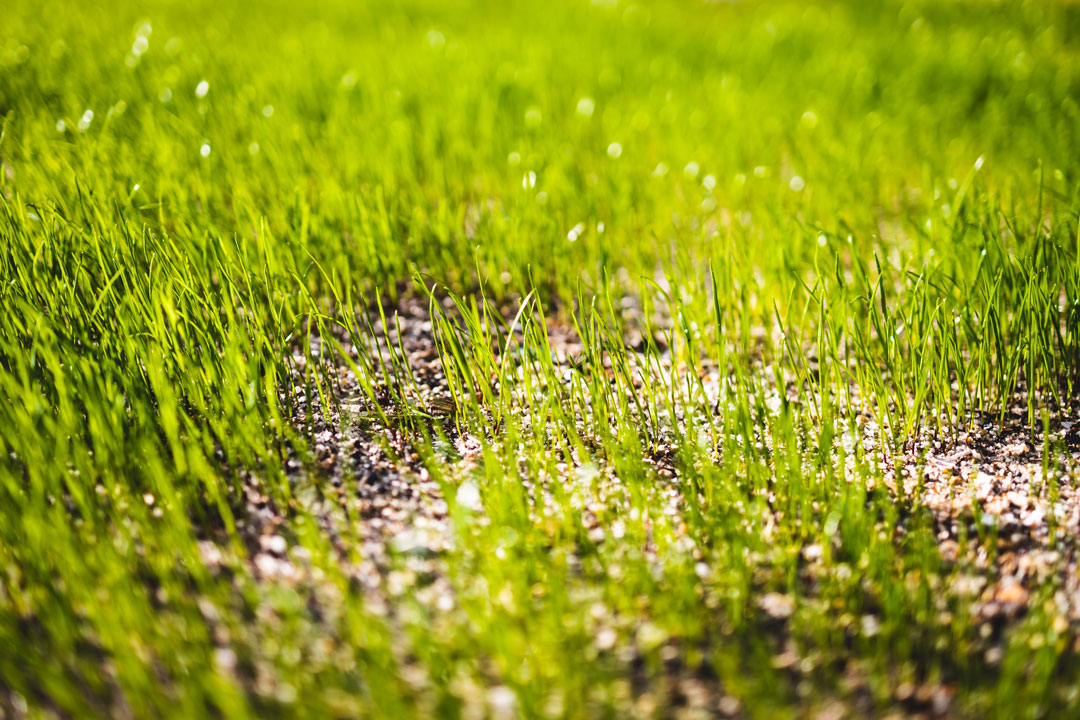
grass sprouting
1. Prep the site
Clear debris and grade lightly if required. Where sand is thin, we place clean sand with blower trucks so new plantings have the right growing medium.
2. Source and plant
Use fresh bare-root plugs from inland sand sources or small potted plants depending on season. Typical planting depth is about 8 inches, with Spring and Fall preferred, and Summer possible with added watering and care.
3. Establish and protect
Water as needed during establishment, limit foot traffic, and add sand fencing or access paths where appropriate so plants can knit the dune face. Once rooted, maintenance is minimal.

A simple 3-step path to a stronger dune

Request an Estimate

Share photos, location, access, and goals. We review wind exposure and dune condition to price accurately.

Get a planting plan

We confirm plant type and quantities, spacing, any sand placement, schedule, and protection measures like fencing or pathways. You receive clear pricing and timing.

Plant and protect

We install, water if needed, and leave guidance for light care during establishment so plants root and begin trapping sand.

What Our Clients Saying about our Service?

Dune grass services in Michigan

We plant dune grass statewide in Michigan on residential, commercial, and public sites. Offices in Grand Rapids and Detroit support regional projects.
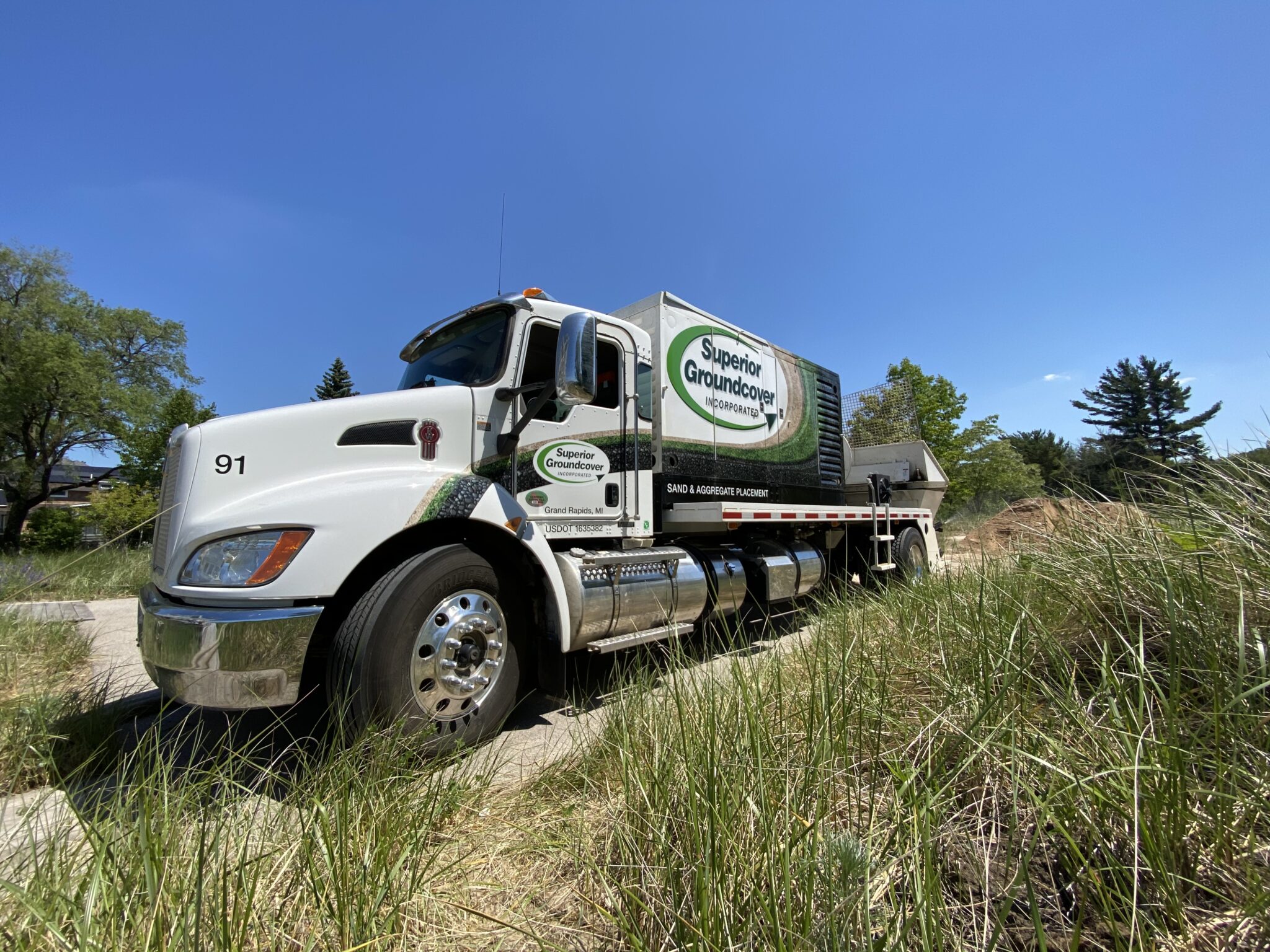
More About Dune Grass for Erosion Control

Dune Grass - FAQs

American beach grass is standard for Great Lakes dunes. Availability and maturity affect pricing.

Spring and Fall are preferred. Summer installs can succeed with potted plants plus additional watering and care.

About 8 inches is typical so roots anchor and resist uprooting.

Limit foot traffic during establishment. Use marked access paths to protect roots.

If the site is thin or compacted, we can place clean sand to improve rooting and long-term performance.

Area size, plant maturity, spacing density, and need for added sand or fencing drive pricing.

Rebuild your dunes with living protection

Copyright ©2026  Superior Groundcover, LLC | All Rights Reserved
Site by Guide MKTG